How Media Criticisms and “Investigations” Seriously Miss the Mark
The Real Story of Shen Yun
How Media Criticisms and “Investigations” Seriously Miss the Mark
The Real Story of Shen Yun
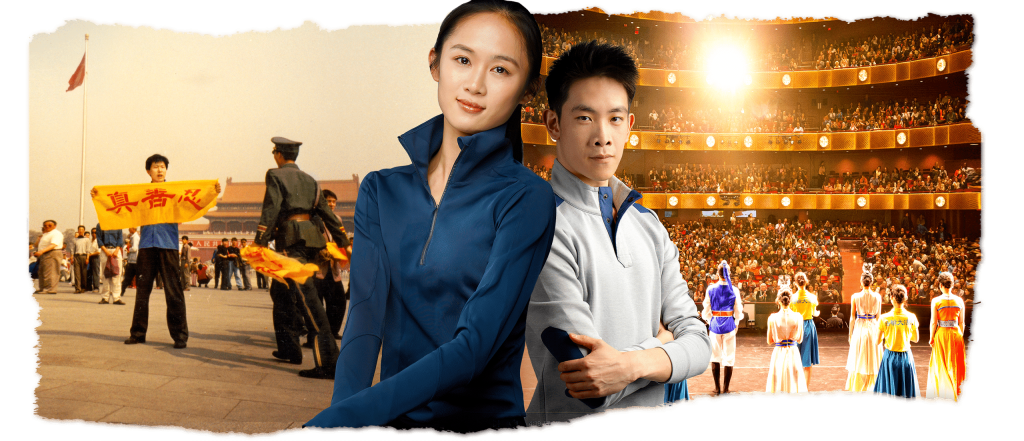
I sat in the audience at a Shen Yun performance last year, watching dancers in flowing silk glide across the stage, their every move a whisper of something ancient and unbroken.
The theater was packed—another sold-out show, one of thousands worldwide. Afterward, people couldn’t hold it in—“inspiring,” “hopeful,” and “moving” poured from their lips, echoing what I’ve heard from audiences in London, Taipei, and everywhere Shen Yun lands. This gave a glimpse into Shen Yun’s meteoric rise and growth.
You’d think that kind of impact would earn respect, or at least curiosity. Instead, Shen Yun’s been getting snide headlines and attempted exposés.
Since August 2024, the New York Times alone has churned out at least ten pieces tearing into Shen Yun. Jabs about too many hours, too much rigor, whispers of “cult” this and “propaganda” that. Are you kidding me?
Sure, Shen Yun gets praise too—waves of it. But the hit pieces try to drown it out. And they distract from—or even bury—the real story.
“Shen Yun is showing a culture Beijing wants erased, a spirit they can’t kill. We’re at war—with beauty and truth as our weapons. Every sold-out show is a battle won.”
As these pieces busily nitpick about Shen Yun artists’ personal lives, our Falun Gong brothers and sisters in China are counting their last breaths—detained, tortured, dying every single day.
This isn’t just a performance for us. It’s a lifeline. And a great American success story that certain media is too blind or biased to see.
It’s a disservice to every reader—if not the billion-plus people in China who suffer unthinkable oppression and that Shen Yun gives hope to.
The China Not Told
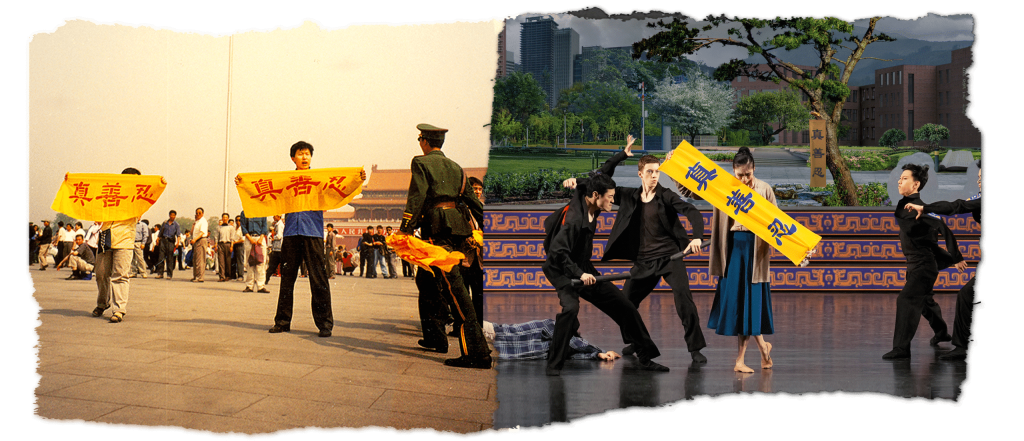
Let me paint the picture they’re missing. Right now, in a sprawling web of prisons, black jails, and brainwashing centers across China, Falun Gong adherents—people who meditate and strive to be honest and kind—are locked in cells, beaten, starved, and tortured.
It’s happening this very minute, as you read this sentence.
Ever since 1999, when the Chinese Communist Party (CCP) banned our practice, the numbers have been staggering: millions detained, tens of thousands tortured or abused, thousands tortured to death. And that’s just what slips through the CCP’s information chokehold.
Worse still, as affirmed in a ruling by the China Tribunal, a 2019 independent inquiry led by prominent international lawyer Sir Geoffrey Nice, forcible organ harvesting has been “committed for years throughout China on a significant scale.”
The Tribunal estimates 60,000 to 90,000 forced transplants annually—far beyond the regime’s absurd claim of 10,000—and concludes that Falun Gong has probably been the main source of organs. Tens of thousands, they believe, are killed each year for their organs.
That’s the testimony of survivors, hospital leaks, and cold hard data talking—not conjecture.
A friend once told me he imagines their screams every night. I do too. And yet here we are, reading New York Times pieces fretting over whether Shen Yun dancers living exceptional lives in America are being subjected to—and I’m not making this up—“body shaming.”
When Persecution Hits Home
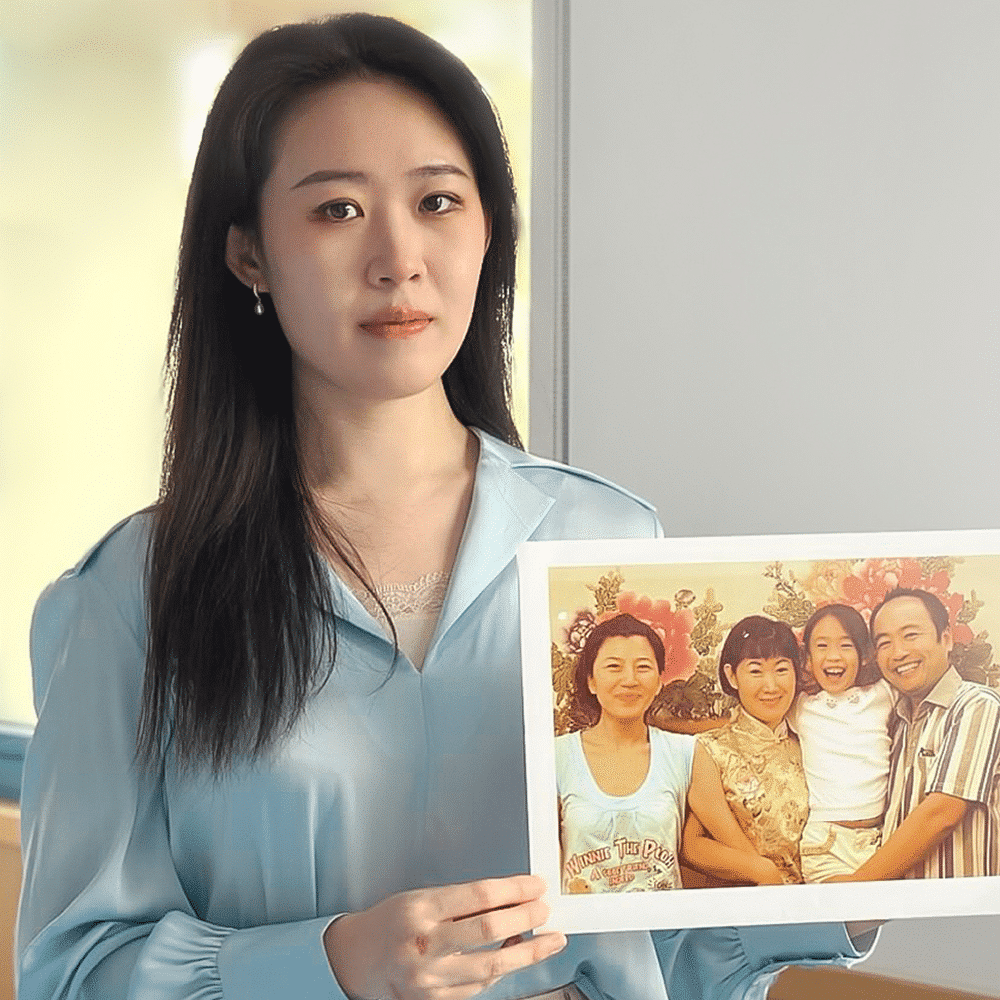
Nearly 100 of Shen Yun’s artists—or their families—are victims of the Chinese regime’s ruthless suppression of their faith. Here are a few of their stories…
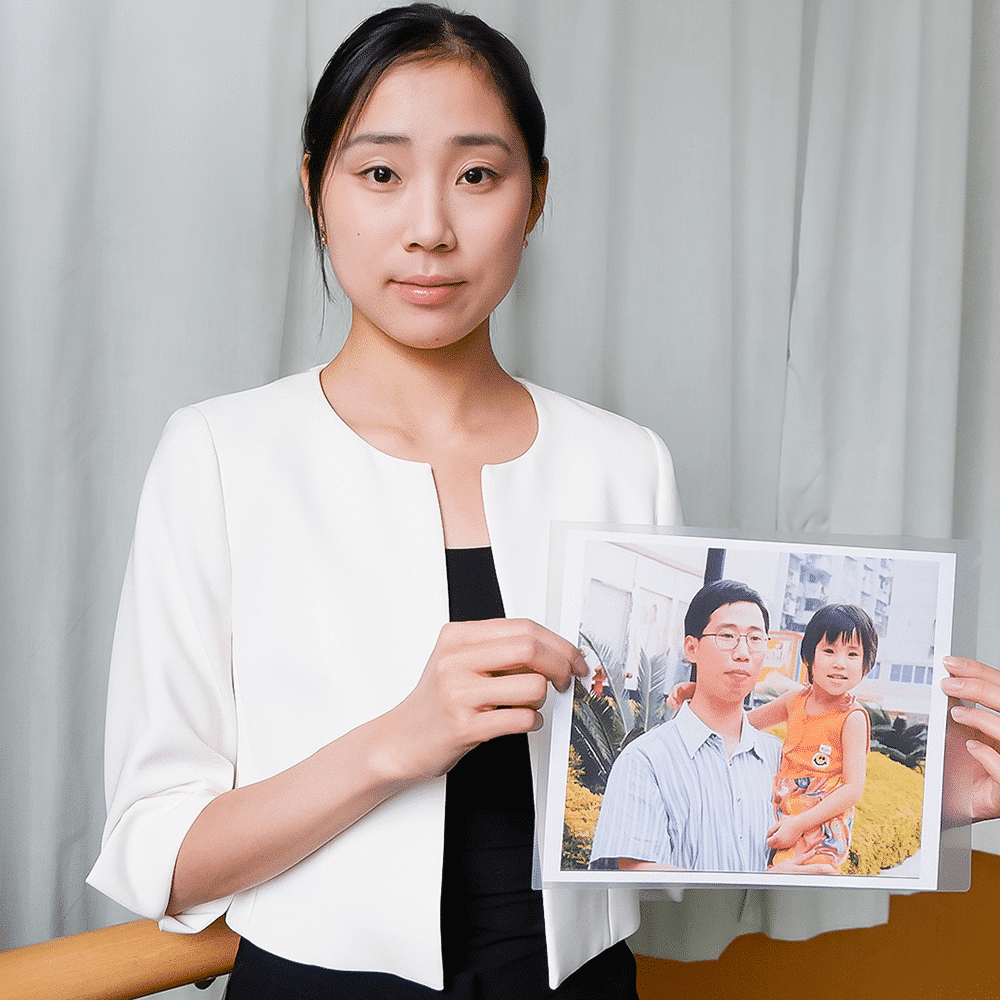
“When I was a child, the police came to our home and took my father away for practicing Falun Gong. I remember standing by the window watching them drive away. Two weeks later, my father died in a labor camp.”
Ellie Rao
principal dancer
“I grew up in China in a family that practiced Falun Gong. My father was jailed twice for his belief—once in 1999 and again in 2017. It was a difficult and frightening environment to grow up in, where even sharing things with friends at school could put your family at risk.”
Carol Huang
principal dancer
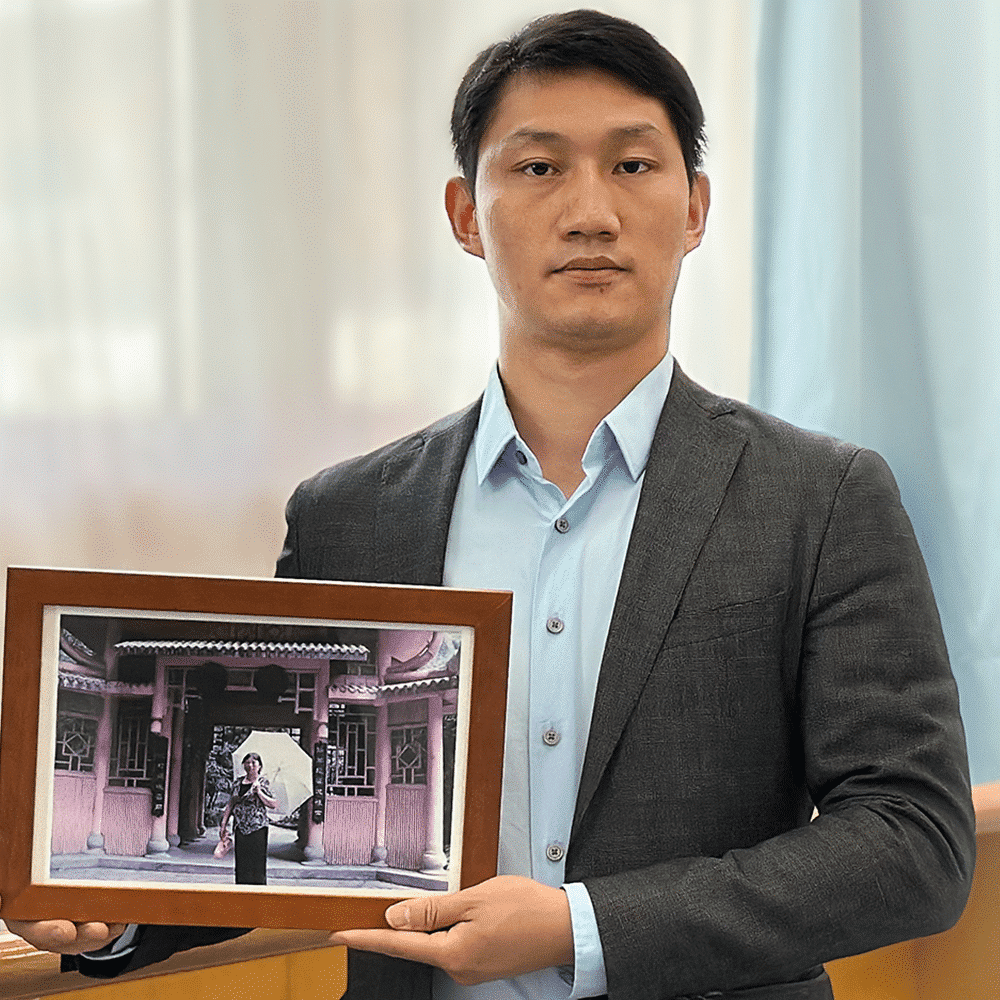
“My father died as a result of torture in custody. My mother has spent over a decade in prison or forced labor camps and remains imprisoned to this day. I urge the international community to help release my mother along with the many other Falun Gong practitioners still facing persecution in China.”
Steven Wang, dance instructor and former principal dancer
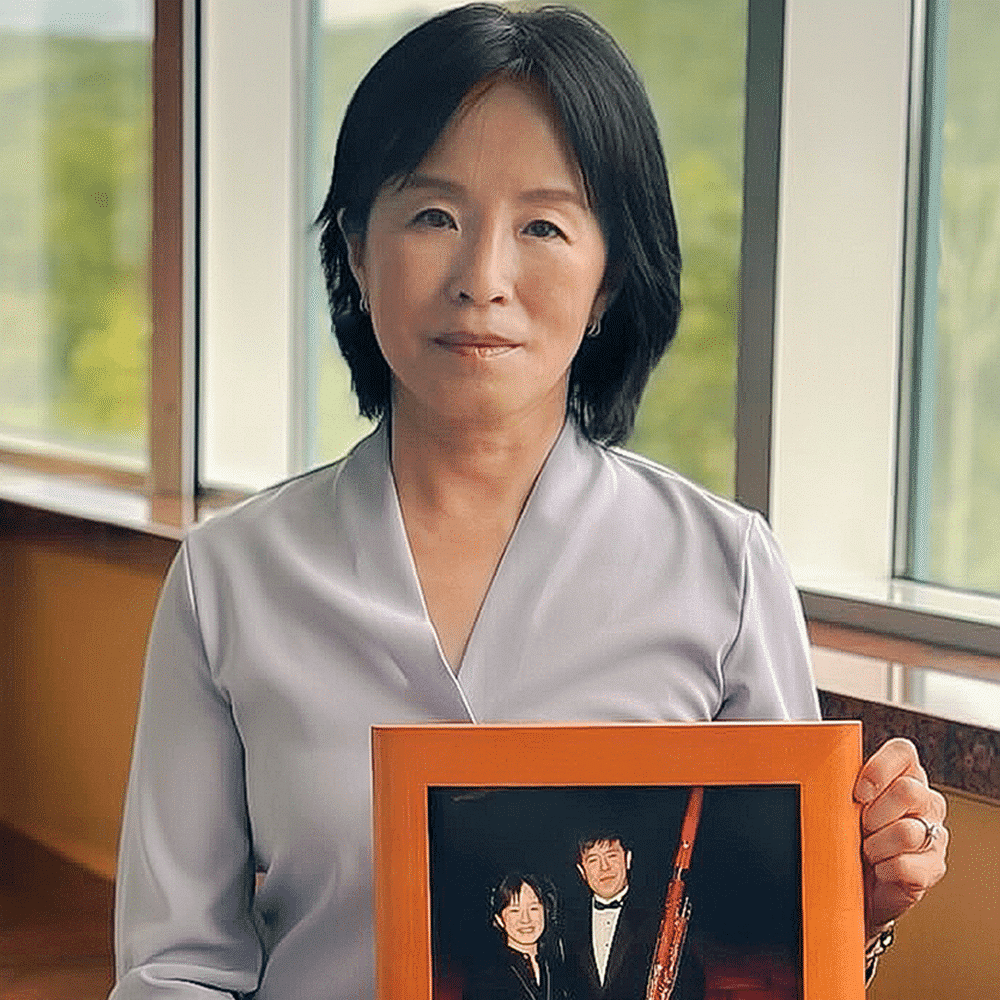
“They savagely beat up my brother, tied his legs together, his arms behind his back, and taped up his mouth. They then folded him over and stuffed him under a low bed and stomped on it. He felt like his back was broken and was in so much pain he couldn’t breathe. He was nearly tortured to death.”
Ying Chen
conductor
“When I was seven years old, my mother went out and didn’t come back. After waiting for hours, my father and I went to look for her. Police stopped us and said my mom had been arrested for practicing Falun Gong. To protest the unjust detention, my mom went on a hunger strike for over 20 days and was eventually released.”
Tiange Cao
student pipa player
Shen Yun: Urgency in Motion
Shen Yun isn’t just art. It’s urgency in motion. Every leap on stage, every note from the orchestra, every ticket sold carries a message we’ve been screaming for decades: China’s dictatorship is evil and unhinged, and a threat to us all.
The blood of our family and friends is spilling out in China as we fight to wake people up on distant, more placid shores.
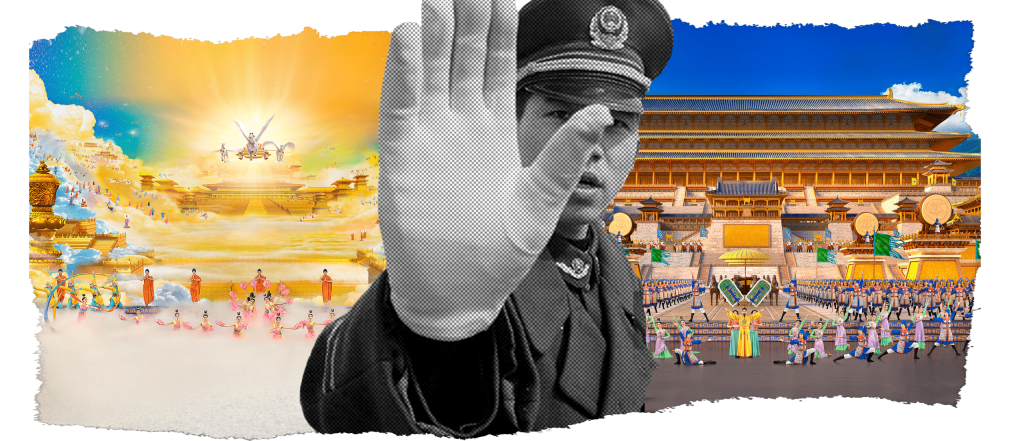
Those dancers? They’re not clocking overtime for a paycheck. They are pouring their souls into something bigger: a chance to show the world beauty that the regime wants to extinguish, a spirit of freedom it seeks to crush, a persecution that the headlines ignore.
And this, too, the critics miss: Shen Yun is a triumph born on American soil, the embodiment of the American story.
Founded by Chinese immigrants—well-educated, cultured, mainstream folks who came here legally—Shen Yun was built from nothing. No government grants, no corporate sponsors. Just vision and grit.
What started as a flicker of hope has grown into a global powerhouse, now with eight touring companies traveling the world in an era of shrinking casts and strained budgets. Audiences everywhere can’t get enough of Shen Yun. It’s a testament to what freedom can make possible.
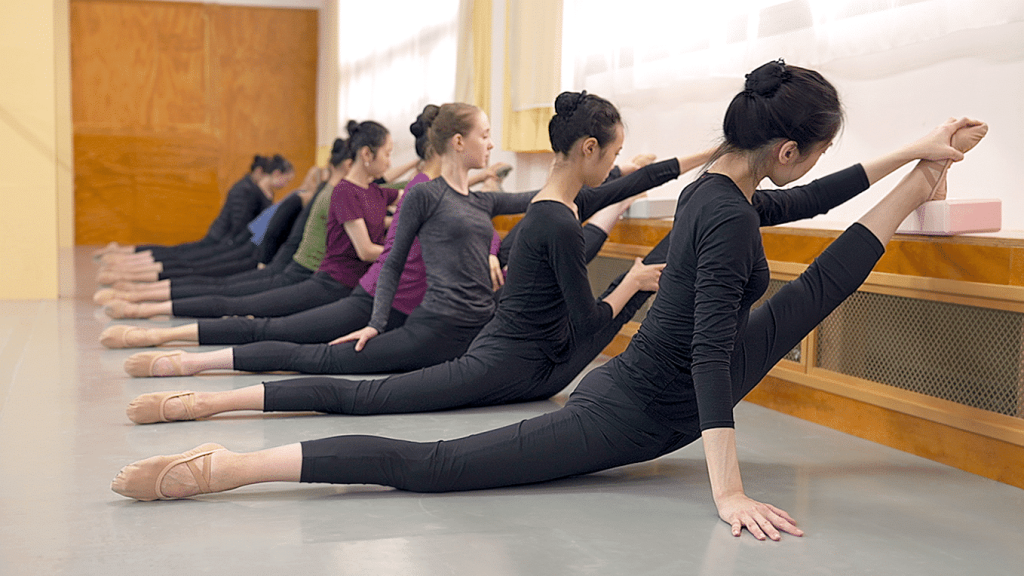
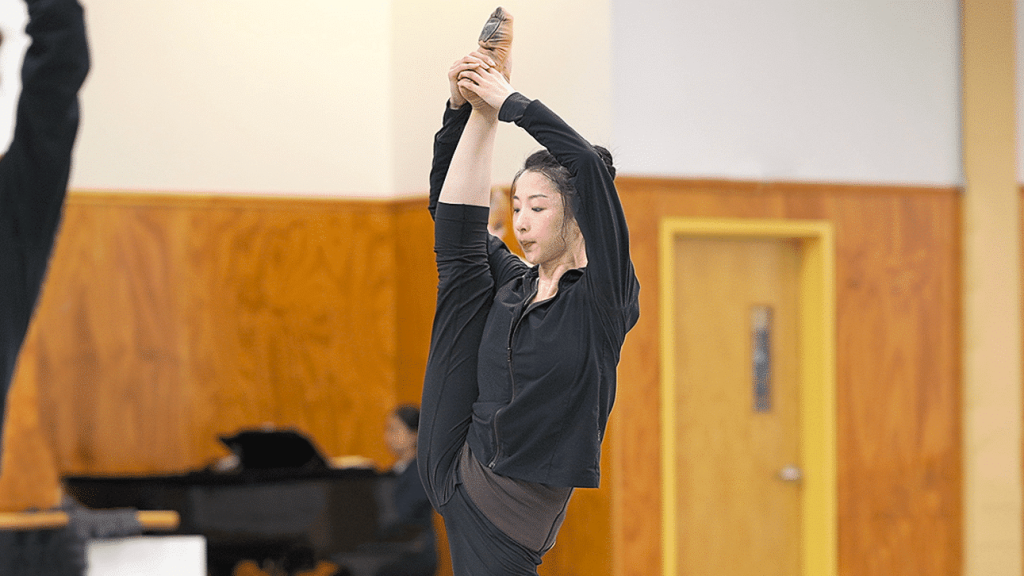
Shen Yun artists train in classical Chinese dance, one of the most expressive and demanding art forms in the world.
What The Times Doesn’t Get
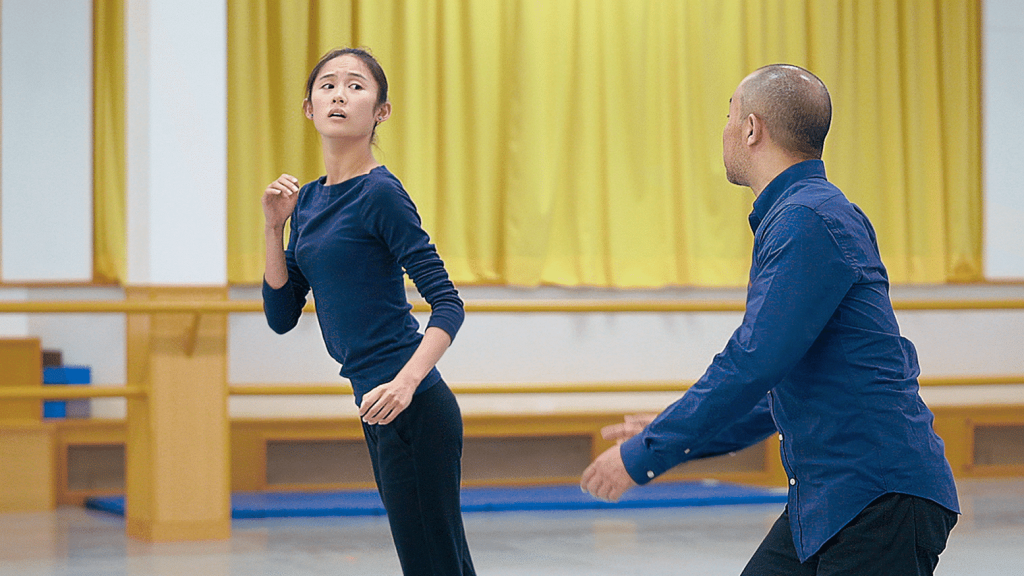
The Times can tally hours all it wants—80 shows in New York last season, sold out—but they’re blind to why it matters. This isn’t a job. It’s survival and hope—and a shining slice of the American dream.
I get it, sort of. To an outsider, Shen Yun’s drive looks intense—hundreds of performers, global tours, a pace that doesn’t quit. And a group that’s less understood than it should be. At the end of the day, the media loves a juicy angle: Aren’t they overworked? Isn’t it too disciplined? Aren’t those young artists being manipulated?
But take a step back.
In China, “overworked” means forced labor until your body gives out. “Discipline” means electrodes on your skin if you won’t renounce your beliefs. “Manipulated” means you are expelled from school for your faith, denied an education, and condemned to poverty simply for your identity.
Watch video: The New York Times’ inaccurate coverage of Shen Yun
Shen Yun’s rigor isn’t exploitative—it’s defiance.
It’s a community saying, “We won’t break.” It’s artists saying, “We want to be the best, for a greater purpose.” China’s regime has tried to silence us for 25 years, and every leap or twirl on stage proves they’ve failed.
Why isn’t that the story? Why aren’t we talking about the torture chambers instead of rehearsal schedules? The Times has unloaded multiple “investigations” into our structure and jabs at our anti-authoritarian stance, even calling it “heavy-handed.” Heavy-handed? Tell that to the young woman dancer whose father vanished into a Chinese prison for meditating in his living room and was dead months later from torture. Tell her the truth is too loud.
Another of their reports delves into our funding—as if passion, ticket sales, and immigrant hustle can’t explain a phenomenon that’s touched the lives of millions.
The Times is missing the forest for the trees—or maybe they’re choosing not to see it?
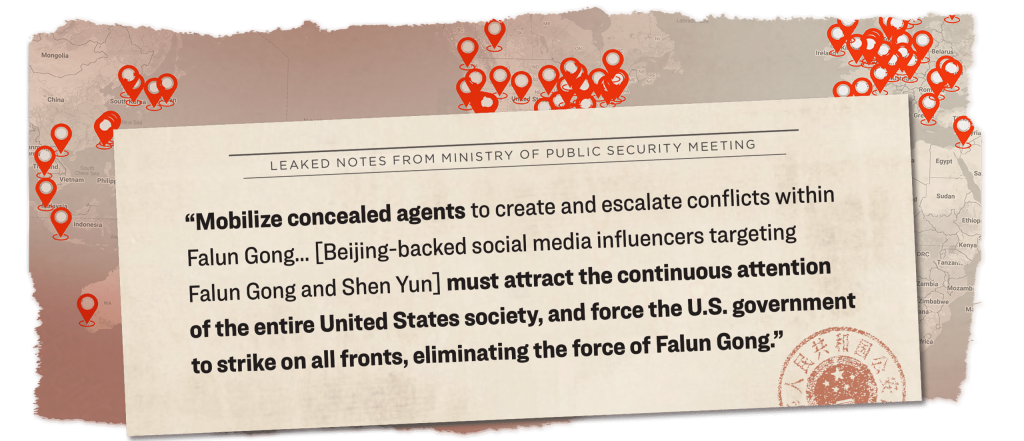
For 25 years, China’s communist regime has smeared Falun Gong, our faith, by slapping a “cult” label on us to justify our extermination. Xinhua News Agency, their propaganda machine, churns out the lies; the Times meanwhile picks up the tune, with polished prose. Shouldn’t the congruence give them serious pause?
For 25 years, China’s communist regime has smeared Falun Gong, our faith, by slapping a “cult” label on us to justify our extermination. Xinhua News Agency, their propaganda machine, churns out the lies; the Times meanwhile picks up the tune, with polished prose.
Shouldn’t the congruence give them serious pause? Journalism doesn’t operate in a vacuum, consequence-free.
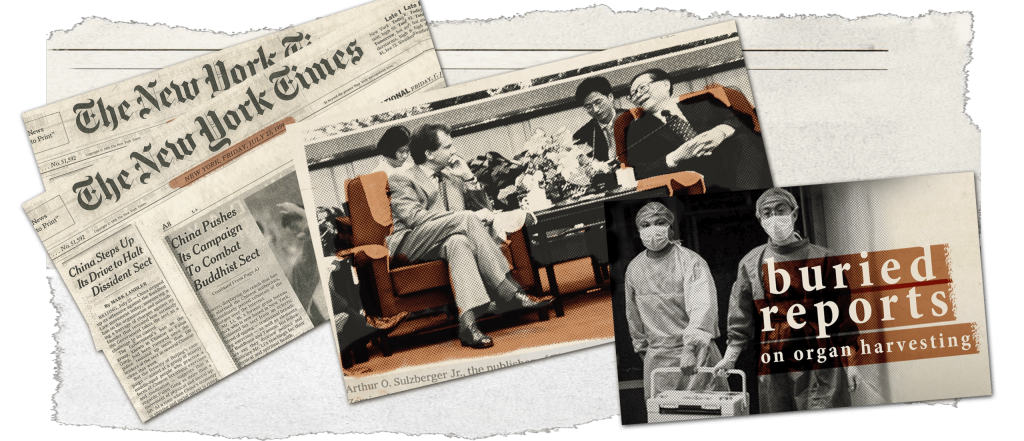
The Times has spent more time and ink “investigating” Shen Yun’s backstage than they ever did digging into a quarter-century of torture, detention, and organ harvesting—a genocide they’ve barely touched.
By contrast, the Wall Street Journal’s hardscrabble coverage of these events won it a well-deserved Pulitzer. Sure, it cost their reporter access to China, but speaking truth to power was never easy. Picking on immigrant artists in your own backyard is a lot easier.
The Real Stakes
The China Tribunal in London laid it raw: “Very many people have died indescribably hideous deaths for no reason.”
Survivors from China recount blood tests, X-rays, and a bevvy of unusual exams in custody—prep for a butcher’s block, not a checkup.
One doctor, Enver Tohti, testified that he cut into a living man, blood pulsing as the heart still beat.
That’s the reality—organs ripped out to fuel a billion-dollar transplant trade, while China’s regime, in typical fashion, denies it all.
Shen Yun doesn’t just entertain: it raises our consciousness. It shines a light on all this, where few dare tread. Case in point: One former New York Times correspondent, Didi Tatlow, testified to the Tribunal that her attempt to report on forced organ harvesting was killed by her Times editors.
At the theater I’ve seen it countless times—audience members in tears, asking how they didn’t know about the organ harvesting, the camps. One woman told me she felt hope for the first time in years, seeing something pure outlast such darkness.
That’s what the press misses: Shen Yun isn’t about us. It’s about them—the detained, the tortured, the dead. It’s about you too, by extension, whether you realize it or not. The regime’s reach isn’t staying in China; it’s in your phone, your supply chain, your newsfeed.
This isn’t abstract to me. It’s personal. I’ve watched Shen Yun grow from a seed into a sequoia. And I know that every day we don’t speak up, more die. The critics say we’re too political, that art shouldn’t preach. But silence is political too—letting the CCP’s shadow creep unchecked while we sip lattés and scroll X. Shen Yun is a force for good, cutting through the lies, showing a culture Beijing wants erased, a spirit they can’t kill.
That’s why we push. That’s why we don’t stop.
We’re at war, with beauty and truth as our weapons. Every sold-out show is a battle won.

Which Side Are You On?
So, to the New York Times and every outlet wasting its pixels and ink on Shen Yun’s supposed flaws: you’re not just off the mark—you’re complicit.
Look harder. You’re counting trees while a forest burns.
We’re not perfect—who is?—but we’re fighting for lives, not headlines, and striving our utmost to do good in a troubled world.
Imagine if those resources went to exposing the Chinese regime’s brutality, injustice, and censorship instead of echoing—and amplifying—their smears.
Imagine if the writers saw the blood behind the beauty—livers cut out in Henan, screams muffled in Beijing—or the dream of these immigrants lifting these stories onto the world’s stage.
We don’t have time for this noise. Our people are dying. Our world’s at stake.
Shen Yun dances on, not because it’s easy, but because it’s urgent.
Step out of your bubble and listen.
The real story’s been screaming all along.
LINK TO NEXT PAGE >>